
GEO 솔루션 선택 기준: 컨설팅과 플랫폼의 차이
GEO 컨설팅, SEO 도구, AI 검색 모니터링, 운영 플랫폼을 구분하고 구매자가 도입 전에 확인해야 할 기능·데이터·운영 기준을 제시합니다.
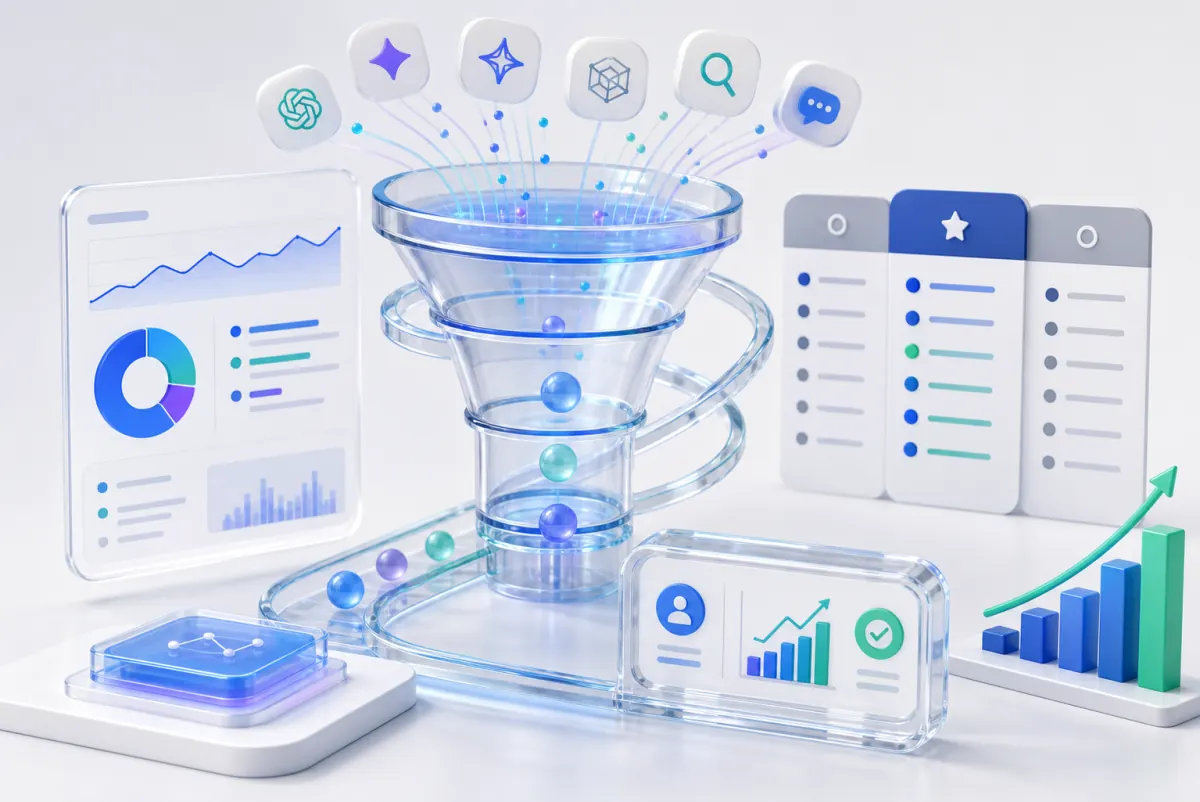
GEO 시장은 컨설팅, 기존 SEO 도구, AI 답변 모니터링, 실제 운영 플랫폼이 섞여 있습니다. 구매자는 “진단만 되는가”, “실제로 바꾸고 추적할 수 있는가”를 구분해야 합니다.
- 컨설팅은 전략과 초기 진단에 강하지만 반복 측정과 매주 바뀌는 AI 답변 대응에는 운영 체계가 필요합니다.
- 기존 SEO 도구는 색인, 키워드, 순위, 백링크 분석에 강하지만 AI 답변 내 문맥·출처·유입 전환을 그대로 설명하기는 어렵습니다.
- AI 검색 운영 플랫폼은 AI가 읽을 공개 문맥 생성, 봇 접근 로그, 답변 품질 점검, 유입·전환 추적까지 연결해야 실무 가치가 큽니다.
Google은 AI 기능의 성과가 Search Console의 Web 검색 유형에 포함된다고 설명하지만, AI 답변 내 언급 맥락이나 경쟁사 비교까지 보여주지는 않습니다.
Pew Research는 AI 요약이 있는 검색에서 외부 링크 클릭이 낮아질 수 있음을 보여주므로, 단순 클릭 수보다 답변 내 브랜드 문맥과 전환 품질을 함께 봐야 합니다.
OpenAI 문서처럼 AI 봇의 목적이 분리되어 있기 때문에, 솔루션은 봇 접근 정책과 로그를 구분해 볼 수 있어야 합니다.
컨설팅, SEO 도구, GEO 플랫폼은 다르다
GEO 컨설팅은 시장 변화 설명, 경쟁사 분석, 콘텐츠 전략 수립에 강합니다. 조직이 AI 검색을 처음 이해하고 내부 의사결정을 해야 할 때 유용합니다. 하지만 컨설팅 산출물이 문서로 끝나면, 매주 바뀌는 AI 답변과 크롤러 접근 상태, 신규 콘텐츠 반영 여부를 계속 관리하기 어렵습니다.
기존 SEO 도구는 여전히 필요합니다. 색인 상태, 키워드 순위, 백링크, 기술 SEO 이슈, Search Console 데이터 분석은 GEO의 기반입니다. 다만 AI 답변이 어떤 문장으로 브랜드를 설명했는지, 어떤 출처가 인용되었는지, AI View를 만든 뒤 유입과 전환이 어떻게 바뀌었는지는 기존 SEO 도구만으로 부족할 수 있습니다.
GEO 운영 플랫폼은 진단과 실행 사이를 연결해야 합니다. AI가 읽을 수 있는 공개 문맥을 만들고, 봇 접근과 사용자 유입을 구분하고, 핵심 질문별 답변 품질을 기록하고, 유입·전환 이벤트와 연결해야 합니다. 이 네 가지가 없으면 “AI 검색 모니터링”은 대시보드 구경에 그칠 가능성이 큽니다.
- 컨설팅: 전략, 교육, 초기 진단, 경쟁 분석에 강함
- SEO 도구: 색인, 순위, 기술 SEO, 링크 분석에 강함
- AI 모니터링: 답변 언급, 출처, 경쟁사 비교 추적에 강함
- GEO 플랫폼: AI View 생성, 접근성 관리, 유입·전환 추적, 리포트 운영까지 담당
도입 전 확인해야 할 6가지
첫째, AI가 읽을 콘텐츠를 만들 수 있어야 합니다. 단순히 블로그 제목을 추천하는 것이 아니라, 기존 랜딩 URL을 기반으로 AI가 읽기 쉬운 공개 문맥을 생성하고 업데이트할 수 있어야 합니다.
둘째, 접근성을 확인해야 합니다. robots.txt, noindex, canonical, CDN 차단, 사용자 에이전트별 응답을 볼 수 있어야 합니다. OpenAI처럼 검색용 봇과 학습용 봇이 분리되는 경우, 목적별 정책을 나눠 관리할 수 있어야 합니다.
셋째, 답변 품질을 기록해야 합니다. 브랜드가 언급되는지뿐 아니라, 어떤 문장으로 설명되는지, 경쟁사와 어떤 기준으로 비교되는지, 출처가 공식 URL인지, 잘못된 정보가 있는지 남겨야 합니다.
넷째, 전환 추적이 필요합니다. AI 검색에서 발생한 클릭은 적을 수 있지만 의도가 높을 수 있습니다. 따라서 AI View URL, 리퍼러, UTM, CTA 클릭, 가입, 문의, 결제까지 이어지는 흐름을 봐야 합니다.
다섯째, 팀 운영이 가능해야 합니다. 콘텐츠 담당자, 마케터, 개발자, 고객사 담당자가 같은 기준으로 볼 수 있는 리포트가 필요합니다. 여섯째, 업데이트 이력이 남아야 합니다. AI 답변은 시간이 지나며 달라지므로 어떤 수정이 언제 이루어졌는지 추적해야 합니다.
- AI View 생성과 업데이트
- 봇 접근성 및 크롤링 정책 점검
- 질문 세트 기반 AI 답변 품질 모니터링
- AI 유입, CTA, 가입, 결제 전환 추적
- 고객사 또는 팀별 리포트 자동화
- 콘텐츠 변경 이력과 성과 비교
구매자가 피해야 할 함정
첫 번째 함정은 “AI에 잘 보이게 해드립니다”라는 말만 있고 측정 기준이 없는 경우입니다. 생성형 AI는 답변이 변동될 수 있으므로, 질문 세트, 측정 주기, 평가 기준, 실패 사례 처리 방식이 명확해야 합니다.
두 번째 함정은 임의의 숫자로 효과를 포장하는 것입니다. GEO 원 연구나 Pew Research 같은 자료는 특정 데이터와 조건에서 나온 결과입니다. 솔루션 도입 제안서가 연구 수치를 자기 제품 성과처럼 말한다면 주의해야 합니다. 객관적 근거는 시장 변화 설명에 쓰고, 제품 성과는 고객사의 실제 데이터로 검증해야 합니다.
세 번째 함정은 콘텐츠 생성만 제공하고 접근성과 전환을 보지 않는 경우입니다. AI 검색 운영은 문서 생성으로 끝나지 않습니다. 검색 봇이 읽을 수 있는지, AI 답변이 바뀌는지, 사용자가 들어와서 전환하는지까지 봐야 합니다.
- 질문 세트와 측정 주기가 없는 모니터링
- 연구 수치를 제품 성과처럼 과장하는 제안
- robots.txt, noindex, CDN 차단을 확인하지 않는 콘텐츠 생성
- 유입과 전환 없이 답변 스크린샷만 제공하는 리포트
- 고객사별 권한, 승인, 변경 이력이 없는 운영 방식
GEO Gateway를 선택 기준에 대입하면
GEO Gateway는 컨설팅 문서를 만드는 도구가 아니라 운영 흐름을 만들기 위한 플랫폼으로 설계되어야 합니다. 핵심은 AI View 생성, AI 요청 모니터링, 유입·전환 추적, 고객사별 리포트 운영입니다. 이 흐름이 있으면 마케팅팀은 “무엇을 써야 하는가”에서 “무엇을 바꿨고 어떤 성과가 있었는가”로 대화를 옮길 수 있습니다.
특히 에이전시나 컨설팅 조직은 고객사별로 같은 기준을 반복 적용해야 합니다. 브랜드 데이터 정리, AI View 생성, 캠페인별 질문 세트, 주간 리포트, 전환 이벤트를 표준화하면 담당자별 편차가 줄고 운영 비용이 낮아집니다.
구매자는 데모를 볼 때 예쁜 대시보드보다 실제 흐름을 확인해야 합니다. 랜딩 URL 하나를 넣었을 때 AI View가 어떻게 만들어지는지, 어떤 봇 접근 로그가 보이는지, 어떤 전환 이벤트까지 연결되는지, 리포트가 고객사별로 어떻게 분리되는지 확인하는 것이 좋습니다.
이 글의 체크리스트를 첫 AI View로 바로 적용해보세요.
7일 동안 AI View 생성, AI 요청 모니터링, 유입·전환 추적 흐름을 직접 확인할 수 있습니다.
7일 무료로 시작